
Why web performance matters more when your users are on Tunisian mobile networks
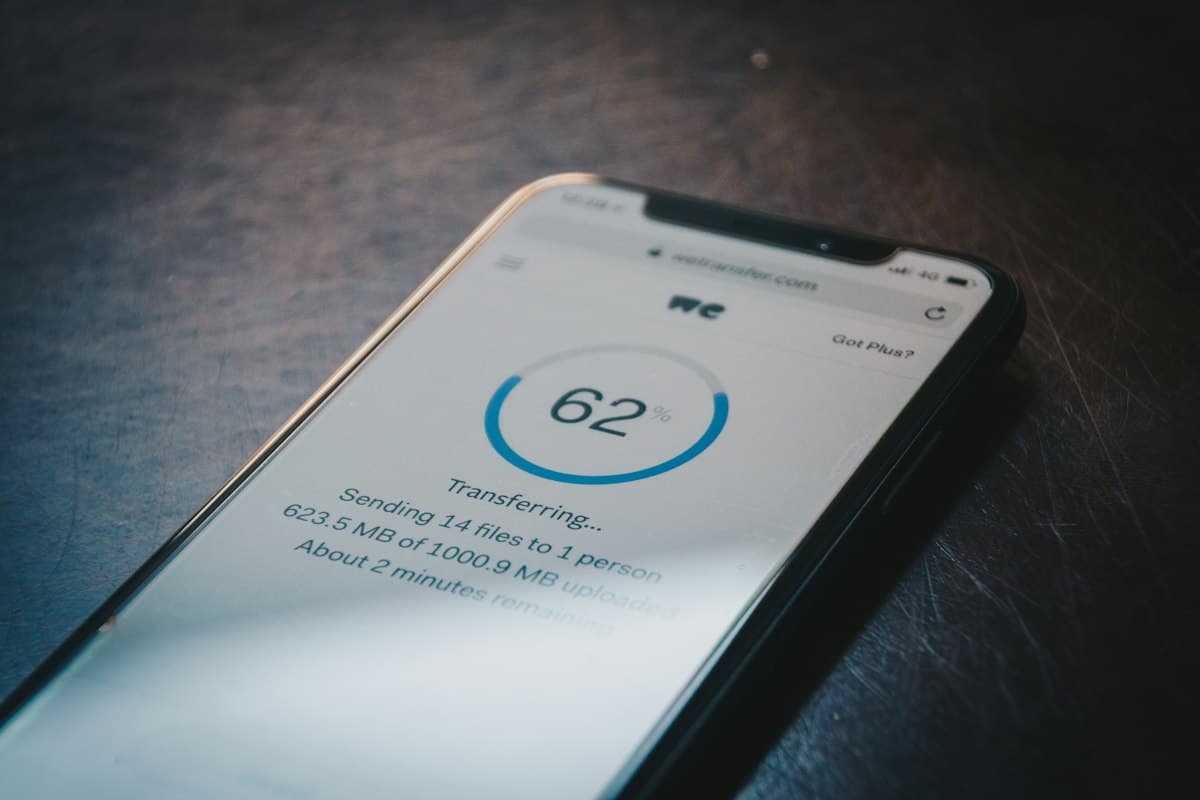
A 3-second load time is a mild inconvenience on fiber in Paris. On a Tunisian mobile plan with a data cap and inconsistent 4G coverage outside the main cities, it's often the difference between a visitor staying or leaving before your homepage even paints. I design and think about performance differently because a meaningful share of my clients' actual visitors are on exactly that connection.
The assumption that quietly breaks sites
Most performance advice online is written and tested on strong, cheap, unlimited connections. It's easy to ship a site that scores fine in a lab test on office wifi and still feels sluggish for a real visitor on a Tunisian mobile network with real latency and a real data budget they're conscious of.
What I actually prioritize
1. Image weight over image count. Every unoptimized hero image is data a visitor pays for, literally, on a capped plan. I compress aggressively, serve modern formats (WebP/AVIF), and size images for the actual device rather than shipping one oversized asset to everyone.
2. Fewer, smaller third-party scripts. Analytics, chat widgets, and font embeds each add a network round trip. On low-latency fiber that's invisible. On higher-latency mobile networks, three or four of those round trips stack into real, felt delay. I audit third-party scripts the way I'd audit spend: cut what isn't earning its cost.
3. Static generation and CDN edge delivery over server round trips. A statically generated page served from a CDN edge point close to the visitor beats a server-rendered page recalculated on every request, especially when the round trip to the server is already slower on mobile. Next.js's static generation is one of the reasons I lean on it for content-heavy pages.
4. Design the loading state, don't just hope it's fast. Skeleton states and progressive image loading make a site feel fast even during the seconds a slower connection genuinely needs, which matters more for perceived performance than shaving another 200ms off an already-decent load time.
5. Test on throttled connections, not just your own wifi. Chrome DevTools' network throttling to a "Slow 4G" profile before shipping catches problems a fast office connection will always hide from you.
Why this is a business decision, not just a technical one
For a Tunisian business whose customers are mostly on mobile data, a slow site isn't a technical debt item to fix later. It's lost leads and lost sales happening today, invisibly, because the people who bounced never showed up in an analytics dashboard to complain.
Want a site built for how your actual visitors browse? I build for real-world connections, not just lab conditions. See development work or book a free call.
Related articles
- Why I rebuilt my portfolio in Next.js (and what I'd do differently)· 5 min read
- Why I use Supabase + Next.js for freelance client projects· 6 min read